
Portuguese soldiers may face a formidable enemy…
January 28, 2025
Stigma
January 28, 2025
PTSD Is Also a Physical Illness!
We are talking about Post-traumatic Stress Disorder (PTSD) when the psychological consequences of a traumatic event persist for more than one month, although onset may be delayed (with symptoms emerging days, weeks or months after the event). In such cases, psychological and psychiatric support is essential.
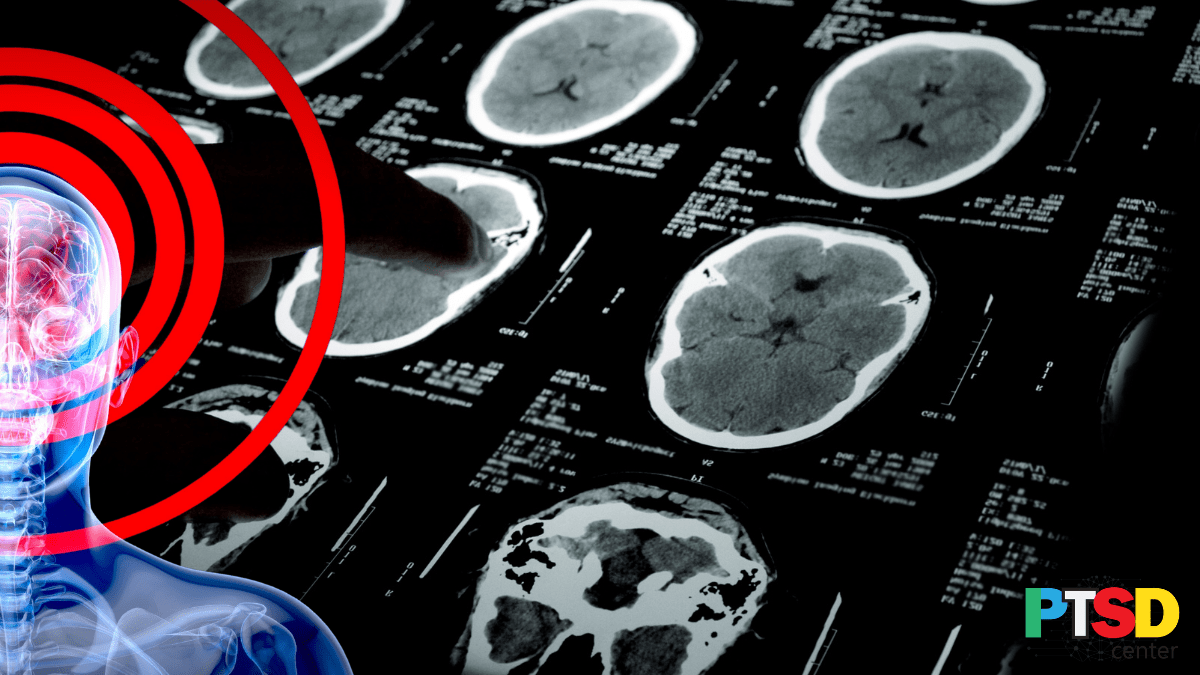
PTSD affects the spirit, the mind, emotions, memories and the body. It also has physical manifestations, which may be addressed through both medication-based and non-pharmacological interventions.
We know that PTSD can involve heightened noradrenergic activity (the noradrenergic system is a major alarm system linked to cardiovascular activation) in situations associated in some way with the traumatic event.
There are no psychotropic medicines specifically designed to cure PTSD, and using medication in the initial stage may sometimes be counterproductive (particularly benzodiazepines in the earliest stages). Medication with antiadrenergic effects may nevertheless be considered.
Early intervention after trauma and prompt diagnosis of PTSD following the onset of symptoms can be very helpful. Psychoeducation can explain which reactions to expect, helping people understand that these responses are not unusual and need not be avoided. Psychoeducation, desensitisation and normalisation may help people regain control of their lives.
Effective treatments for PTSD are available. The two main approaches are psychotherapy and medication, which may sometimes complement one another.
Cognitive Behavioural Therapies (CBT) are focused, relatively short-term psychotherapies used for a wide range of psychological difficulties, including depression, anxiety, anger, relationship conflict, fears and substance dependence or misuse. They focus on how we think (our “cognitions”), behave and communicate today, rather than primarily on early childhood experiences.
Cognitive behavioural therapies are among the most effective treatments for PTSD and often involve weekly meetings with a therapist for up to four months. There are several forms of CBT. The two most extensively studied for PTSD are Cognitive Processing Therapy (CPT) and Prolonged Exposure Therapy (PE).
Ariel Milton, Psychologist
Founder & CEO PTSD Center