
Self-Concept versus Actual Self
January 28, 2025
How Can You Improve Your Sleep?
29 January 2025

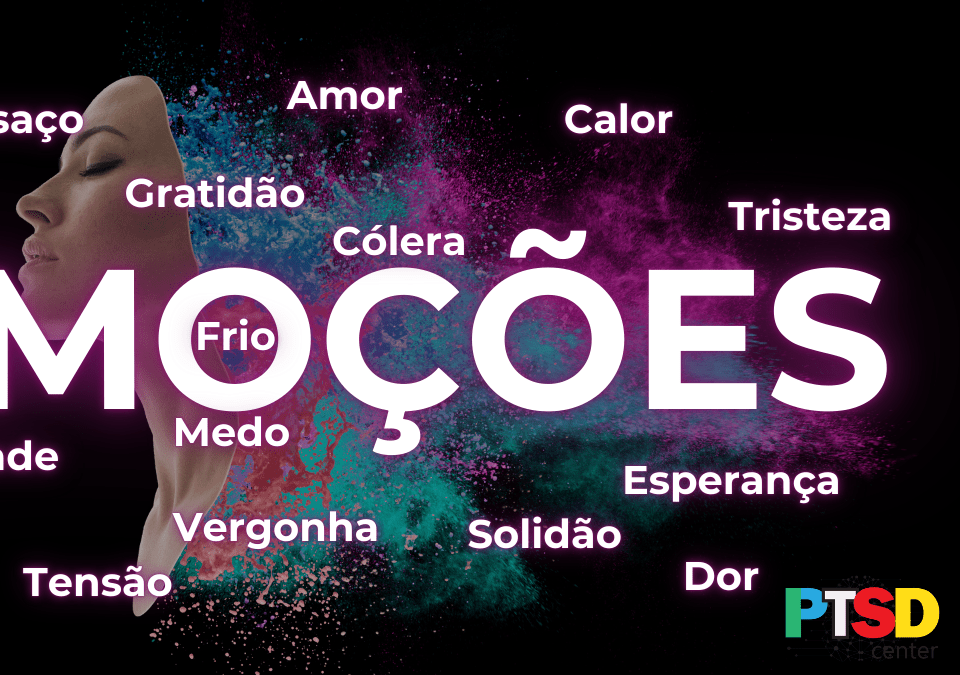
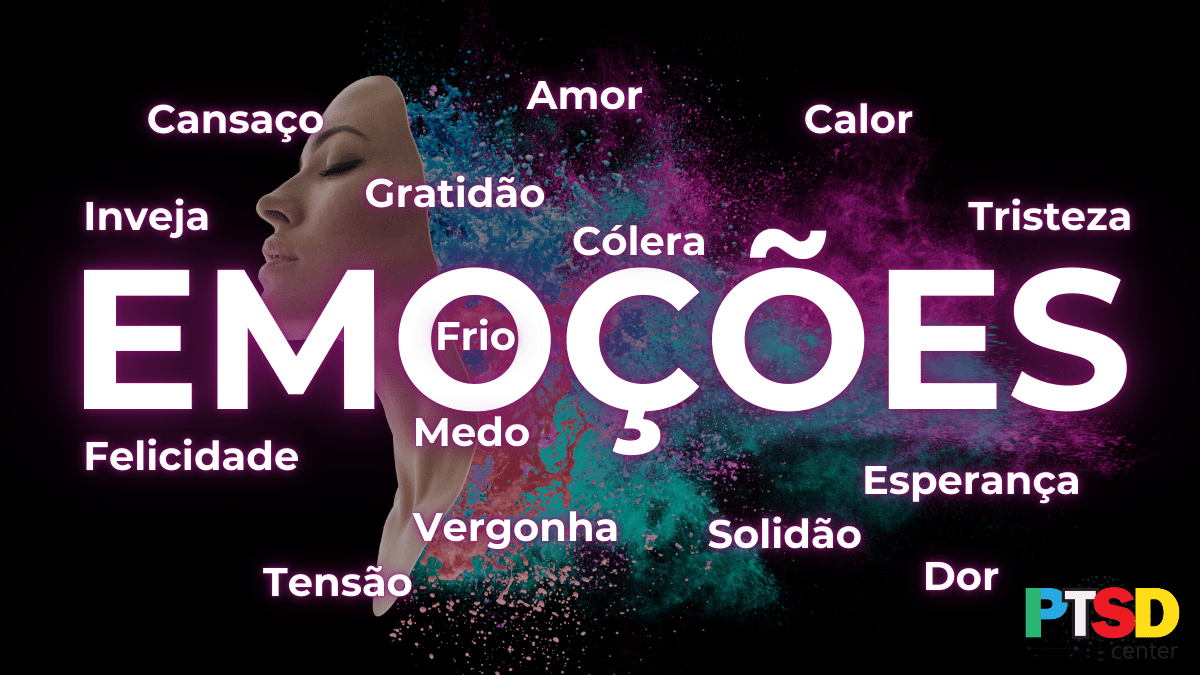
Why Do We Have Emotions?
Human beings are, by nature, highly evolved. The human body has features shared with other animals and features that are distinctly human. Almost all human organs are anatomically comparable to those of other animals in the same class. Although some animals have individual organs with greater capabilities than ours, the human body has developed a combination of anatomical features that gives it unique abilities.
As a result of countless thousands of years of natural evolution, the human vocal apparatus – capable of producing dozens of phonemes – and the brain that remembers them have formed the ideal partnership for the development of rational thought. Only humans can speak, think and remember what they think and say.
Human reasoning created new values, ideas and realities. Those new realities, in turn, encouraged the development of others. The language drove the development of the brain, and vice versa, and both required the development of the entire human body. The human senses became highly developed: taste, smell, hearing and particularly touch are extremely refined in humans, as is vision, especially colour sensitivity.
All these aspects created new human needs, including ways of expressing ourselves, not only because of their animal nature but also because of their capacity for mental creation. As a result, human beings developed distinctive characteristics, such as being able to blush when lying, cry when sad or laugh when happy.
Every emotional feeling involves a build-up of tension which arises from everything around us, or from within ourselves, and goes beyond our immediate ability to respond or understand. Emotions are a way of releasing that tension.
Animals do not understand in the same way and, according to this argument, do not experience feelings or accumulate emotional or nervous tension; therefore, they do not laugh or cry.
If someone wants to do something but refrains because conscience – society, culture, religion, the law and other human constructs – forbids it, emotional tension may arise. This can be expressed in many ways, including depression, violence or apathy, and is often accompanied by sadness because the tension is negative. Likewise, if someone is unexpectedly reassured or experiences more satisfaction than anticipated, they may struggle to understand or react to what has happened. This can also build up tension that needs to be released through emotion – this time, joy. It is how the body returns to a healthy balance.
We have feelings and emotions because we understand some things but not others. If we understood everything, we would have no emotions either. Emotions are closely linked to the unknown, the doubtful, the ambiguous and the uncertain. There are no emotions attached to what we know completely or know nothing about. What is entirely conscious or unconscious does not arouse emotion.
Emotions can be pleasant or unpleasant, but all are adaptive, in other words, they guide us towards survival. Emotions are like a complex communication system that regulates how we interact with our surroundings.
The basic emotions are: Joy, Love, Surprise, Anger, Sadness and Fear. Each of these emotions has a function. They are like “software”, serving not only to communicate but also to prompt action, and quickly.
In most everyday situations, these behaviours are extremely useful. For example, if we see a snake, fear – whose purpose is protection and survival – tells us to run away. If we lose someone close to us, sadness – which plays a role in personal adjustment – may lead us to take time off work and stay at home to seek support. When we feel happy, we are more willing to explore and try new situations, and we may find it easier to plan and make decisions quickly.
Sometimes, however, our emotions become dysregulated and fall into patterns that do not help us. For example, fear may make us avoid everything, sadness may lead us to withdraw from activities that would help us feel better, and shame (a secondary feeling linked to sadness) may cause us to hide away, leaving us no opportunity to connect with others and recover. This can create further emotional conflict and harmful consequences.
The urge to avoid emotional discomfort at all costs can make our lives more difficult.: when we avoid unwanted emotions, we also lose the many experiences that bring life to them. This is when we need to engage the higher-level functions of the brain, particularly the prefrontal cortex, and ask ourselves: Are these emotions pushing us in a helpful direction? Are they allowing us to live the full life we would like?
If the answer is no, our prefrontal cortex, the part of the brain that developed most recently in evolutionary terms, responsible for functions such as complex thinking, behavioural planning, personality expression, decision-making and the regulation of social behaviour, override our limbic system (“emotions”, with the amygdala – the brain’s “emotional heart” – responsible for processing emotions and acquiring fear responses, playing a central role in alarm responses and the body’s reactions to particular stimuli), allowing us to act in the opposite direction to what our immediate feelings urge us to do, even when we feel deeply uncomfortable.
This allows us to experience difficult emotions in the moment while continuing to move in a useful long-term direction (for example, gradually approaching our fears and continuing to engage in enjoyable activities and relationships, despite feeling sadness or shame).

Founder & CEO PTSD Center