CAN TRAUMA BE ONLY PSYCHOLOGICAL? REALLY?!
January 28, 2025
Common Post-Trauma Reactions
January 28, 2025
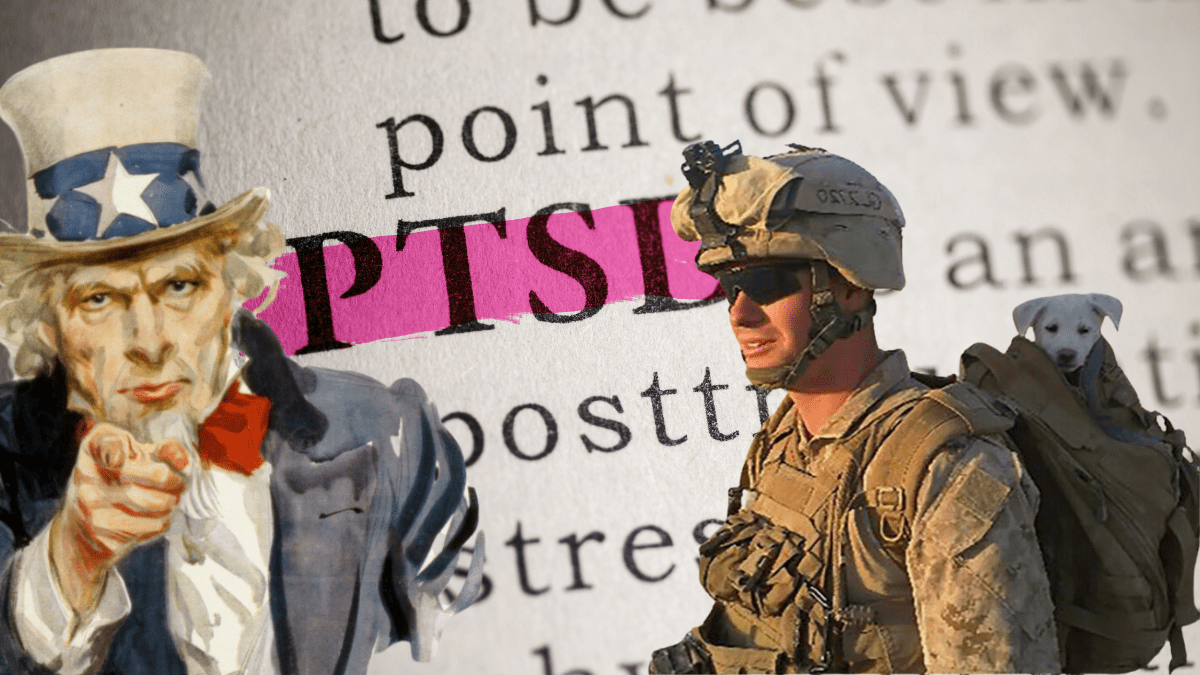
Understanding PTSD, the Silent Condition.
Ian Long, a 28-year-old former US Marine who served in Afghanistan, was responsible for the shooting that killed 12 people on Wednesday night (7 November) at a bar in Southern California. According to officials, the former Marine had been behaving in a “somewhat angry and irrational” manner. Ian Long had a harsh message at the end of his gun: “In war, they teach you how to kill, but not how to go on living!”
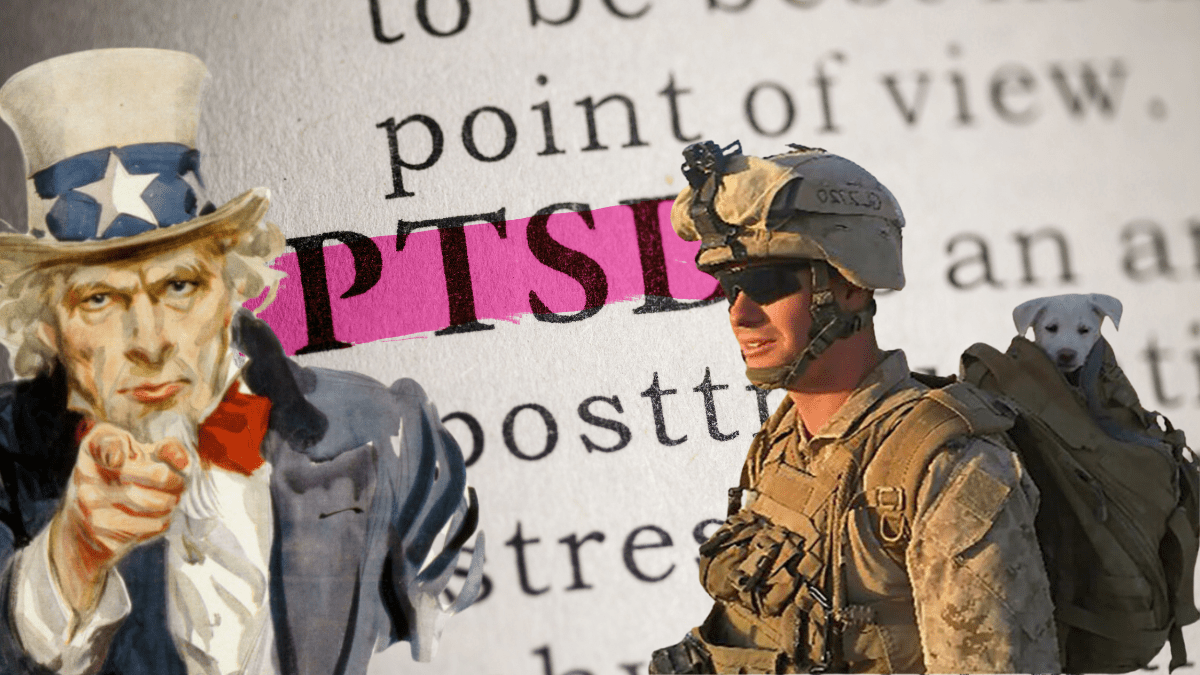
Many American service personnel returning from Afghanistan have been diagnosed with post-traumatic stress disorder (60,000), but few seek help because of social stigma, guilt or shame. They return alive, but feel as though their souls have died.
In Portugal, the colonial war (1961–1974), fought in India, Angola, Guinea and Mozambique, involved approximately 800,000 service personnel (men and women), of whom around 10,000 were killed and 30,000 injured. It is currently estimated that about 140,000 veterans have psychological or psychiatric difficulties, with 40,000 former combatants possibly living with post-traumatic stress disorder (Albuquerque et al., 2003). We speak of PTSD when the psychological consequences of trauma persist for more than one month, although onset may be delayed by days, months or years.
In wartime, the breakdown of legal and moral restraints can normalise violence and killing, directly affecting the limits of actions that sustain or destroy human bonds. In such extreme circumstances, traumatic experiences can overwhelm the mind with an intensity that is difficult to process, leaving a person trapped in trauma and compulsive repetition of the harmful event, unable to make sense of it.
The characteristics of military operations and theatres such as Bosnia, Angola, Guinea, Iraq, Afghanistan and, more recently, the Central African Republic can increase the harmful effects of war on personnel. These include difficulty distinguishing friendly from enemy lines, guerrilla warfare, improvised explosive devices, snipers, landmines and a constant sense of insecurity.
AFTER WAR, RETURNING HOME CAN BE THE HARDEST PART FOR SOME SERVICE PERSONNEL…
Strong emotional reactions are adaptive when our lives are threatened, but those reactions should lessen or disappear once the threat is gone. That does not necessarily happen for people with PTSD!
In war zones, veterans became accustomed to living under neurophysiological survival mechanisms that operate beyond the rational centre of the mind. Perceptions of danger triggered feelings of threat and frustration, which could lead to anger and aggression and sometimes acts of violence that enabled survival in a hostile environment. Later, veterans may no longer identify with the attitudes or actions they adopted there.
After leaving combat, habituation to violence becomes maladaptive, just as hypervigilance (essential for protection and survival), fear of crowds and sleep disturbances can become dysfunctional when veterans return home. Their difficulties reflect a response that is no longer suited to the situation. Depending on the adjustment process, they may misinterpret everyday situations out of context and react as if they were back at war.
Veterans with PTSD continue to experience high levels of re-experiencing (intrusive trauma-related symptoms), avoidance of trauma-related cues and heightened arousal (changes in arousal and reactivity associated with trauma). PTSD can therefore be understood as a difficulty in adapting.
Combat exposure may also increase the risk of externalising behaviours such as antisocial behaviour, aggression, illegal activities, arrests and convictions among veterans and serving personnel. Military personnel without PTSD are not more violent than civilians without PTSD.
A note: war does not necessarily lead to psychopathology or PTSD. For some veterans, it contributed to personal growth, greater maturity, a stronger and more resilient personality, deeper understanding of life and human nature, increased awareness of personal capabilities and strength, greater self-discipline and a stronger appreciation of life.
What can you do?
Ian Long was trained for violence and had experienced combat. He adapted to a new reality. This former serviceman illustrates one of the indirect consequences of war and of inadequate preparation and post-war support.
The psychological consequences of trauma are not linear and vary from person to person because of factors that cannot be controlled, including individual circumstances, personality traits, psychiatric history, the type, intensity and duration of the traumatic event, and many others.
Other factors can, however, be influenced before, during and after a traumatic event to reduce its impact, including efforts to lower risk and strengthen protective factors in relation to individual trauma experiences, or after trauma but before symptoms begin, in order to prevent the disorder from developing.
The first intervention therefore takes place before trauma, at a preventive level, and is the responsibility of organisations and communities. It involves primary, secondary and tertiary PREVENTION, ensuring that organisations and communities have the resources and readiness to respond appropriately to situations that may cause psychological trauma, just as they prepare to respond to physical trauma.
In high-risk occupations where exposure to trauma is likely (such as law enforcement, the military, firefighting and emergency medical services), efforts should be made to strengthen workers’ psychological resilience. Measures may include realistic training, drills, education about PTSD and its effects, psychological first aid and peer-support programmes.
Around 75% of those affected recover without specialist intervention, while only 25% of trauma survivors (not only those exposed to military trauma) experience persistent psychological difficulties. In most clinical cases, symptoms are temporary. In others, ongoing monitoring and clinical assessment are needed for those at risk of persistent distress and impairment despite earlier interventions. Where difficulties resist previous approaches, specialist mental health services should involve professionals trained in evidence-based treatments, including appropriate psychotherapy or medication.
Treatment
PTSD affects the spirit, the mind, emotions, memories and the body. It also has physical manifestations, which may be addressed with both pharmacological and non-pharmacological interventions.
Effective treatments are available for PTSD. The two main approaches are medication and psychotherapy.
There are no psychotropic medicines specifically designed to cure PTSD, and medication in the early stages can sometimes be counterproductive (particularly benzodiazepines). However, medicines with antiadrenergic effects may help alleviate certain symptoms associated with the noradrenergic alarm system.
Clinical guidelines consistently recommend cognitive behavioural therapy (CBT) as a first-line treatment for PTSD, particularly Prolonged Exposure Therapy and Cognitive Processing Therapy, which have demonstrated effectiveness. CBT is a focused, relatively short-term psychotherapy used for a wide range of psychological difficulties, including depression, anxiety, anger, relationship conflict, fears and substance dependence or misuse. It focuses on how we think (our cognitions), behave (our actions) and communicate today, rather than primarily on past experiences. Psychotherapy and medication may sometimes complement one another.
Ariel Milton, Psychologist
Founder & CEO PTSD Center